

As women work toward financial independence, understanding simple yet powerful budgeting tools is essential. One of the most effective methods is the 50/30/20 budgeting rule, a popular technique that helps you manage your money wisely and consistently build wealth. In this article, we’ll break down what the 50/30/20 rule is, why it works specifically for women pursuing financial security, and how to implement it in your own life—even if you’re balancing multiple financial goals.
What Is the 50/30/20 Rule?
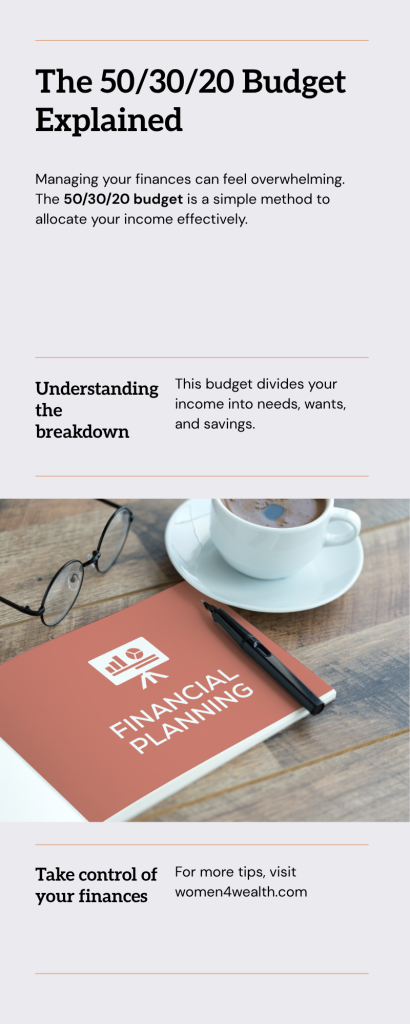
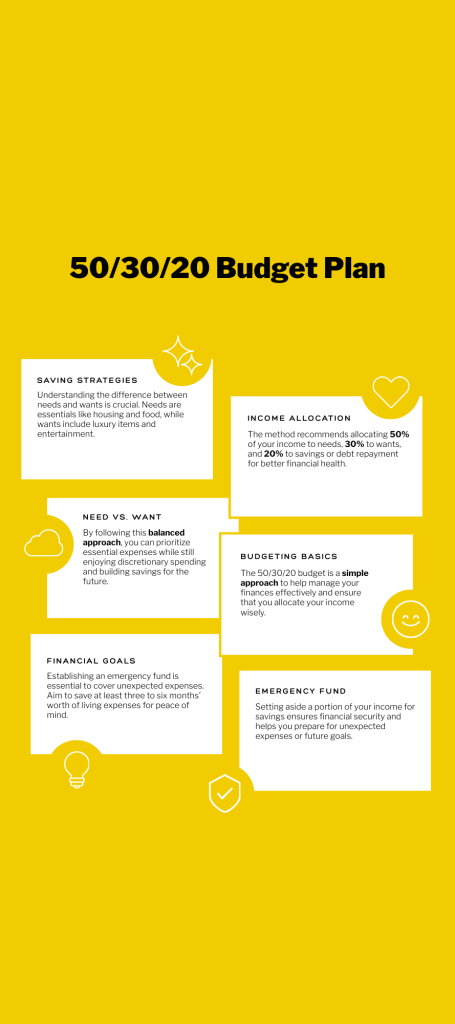
The 50/30/20 rule splits your after-tax income into three spending categories:
- 50% on Needs – Essential living expenses like housing, utilities, groceries, insurance, debt minimums, and healthcare.
- 30% on Wants – Non-essential items that enhance your quality of life, such as dining out, entertainment, travel, hobbies, and shopping.
- 20% on Savings and Debt Repayment – Strategies to build a financial foundation: emergency funds, paying down debt, long-term investments, and retirement savings.
This framework balances everyday needs and lifestyle desires while maintaining steady progress toward financial goals.
Why the 50/30/20 Rule Works for Women
Simplicity with Structure
Women in finance, STEM, business, and caregiving roles often juggle multiple responsibilities. The 50/30/20 structure offers a simple, easy-to-follow guide—no complex spreadsheets or micro-tracking required.
Adaptable to Career Milestones
Whether you’re negotiating a raise, pivoting careers, or starting your entrepreneurial journey, this rule scales with your income. As your income rises, your savings grow—and your lifestyle improves sustainably, not emotionally.
Encourages Smart Spending and Financial Confidence
By allocating 30% to “wants,” this rule builds in room for enjoyment without guilt. You stay financially disciplined while nurturing your professional growth, social life, and self-care.
Implementing the 50/30/20 Rule: Step-by-Step
1. Calculate Your After-Tax Income
Begin by determining your net monthly income, after taxes and deductions. This forms the basis for applying the 50/30/20 percentages accurately.
2. Define Your Spending Categories
- Needs (50%): Consider essentials like rent, groceries, utilities, car payments, and minimum debt payments.
- Wants (30%): This includes non-essential enhancements like online courses, travel, streaming services, or shopping for personal and family enjoyment.
- Savings & Debt (20%): Allocate to emergency funds, retirement (such as 401(k) or IRA), investment portfolios, or accelerated debt payments.
3. Track Your Expenses
Start by logging your spending over a month. Use tools like budgeting apps or a simple spreadsheet to categorize each purchase. Adjust your budget as needed to meet the 50/30/20 benchmarks.
4. Adjust and Optimize
Life changes—promotions, family growth, relocation—will impact your budget. Adapt the rule accordingly. For example, if rent spikes, temporarily reduce your “wants” budget to maintain your 20% savings goal.
5. Automate Savings
Set up automatic transfers to savings and debt repayment accounts. This minimizes the temptation to spend and ensures consistent progress toward your wealth-building goals.
Overcoming Common Challenges
High Cost of Living
If necessary expenses exceed 50%, prioritize negotiating bills, downsizing, or finding more affordable alternatives. Aim to gradually bring those costs down.
Variable Income or Inconsistent Cash Flow
Freelancers, contractors, or side-hustlers can calculate a monthly average income. When income dips, slow discretionary spending; when it increases, deposit extra into savings.
Feeling Restricted in the “Wants” Category
Too restrictive budgets can hinder motivation. Remember—you still have 30% for enjoyment. Use this budget for enriching experiences and personal development.
Benefits Beyond Budgeting
Builds Financial Confidence
Seeing consistent progress toward savings and investment goals reinforces a sense of control and empowerment.
Encourages Wealth Mindset
The structure fosters intentional financial behaviors—like saving before spending and recognizing the difference between wants and needs.
Supports Long-Term Wealth Growth
Consistently allocating 20% toward savings and investments compounds over time. Plus, paying off debt frees up more resources for future wealth-building.
Real Results: Women Building Wealth with the 50/30/20 Rule
- Career growth alignment: Women who allocate savings to professional certifications or continuing education increase their earning potential.
- Debt reduction and freedom: Paying down student loans or credit cards accelerates financial freedom and reduces stress.
- Retirement readiness: Early consistent saving—even at 20%—can yield meaningful retirement income.

Tips to Maximize the Rule
- Prioritize an emergency fund: Investing the first portion of your 20% into a 3-6 month emergency fund protects your financial foundation.
- Automate investing: Use robo-advisors or automatic contributions to retirement accounts to simplify wealth accumulation.
- Review quarterly: Reassess your budget every three months. Adjust your categories in line with raises, shifts in cost of living, or changes in goals.
Get excited!!
The 50/30/20 budget rule isn’t just a guideline—it’s a powerful catalyst for women to build wealth, live intentionally, and create financial security. This strategic approach balances daily living with long-term prosperity, offering clarity and control that leads to confident financial decisions.
Ready for the next step? Start by calculating your net monthly income, categorize your current spending, and commit to allocating 20% toward wealth-building. With consistency, you’ll see your savings grow, your debt shrink, and your financial confidence soar.